(单词翻译:单击)
听力文本
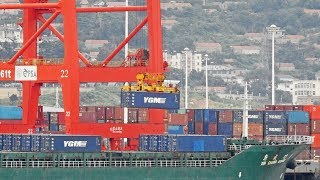
Since its accession to the World Trade Organization, China has actively fulfilled its WTO commitments, and voluntarily engage in unilateral tariff reductions. All commitments in goods had been fulfilled by the year 2010 with the overall tariff level down from 15 percent in 2001 to 9.8%. China's weighted tariffs in 2015 had fallen to 4.4 percent, much lower than the Republic of Korea, lower than developing countries such as India and Indonesia, and approaching that of the US 2.4 percent and EU’s 3 percent. And this year China cut most-favored-nation rate on whole vehicles to 15 percent and auto parts to 6 percent. Currently China's overall tariff rate has been reduced to 8 percent. Meanwhile foreign direct investment to China continues to grow surging from about 47 billion US dollars in a year 2001 to 136 billion US dollars last year at an annual growth rate of 6.9 percent.
参考译文
加入世界贸易组织以来,中国积极履行入世承诺,主动参与单边减征关税。到2010年,所有的货物承诺都实现了,关税总水平从2001年的15%下降到9.8%。2015年,中国的加权关税降至4.4%,远低于韩国,低于印度和印尼等发展中国家,接近美国的2.4%和欧盟的3%。今年,中国将整车最惠国税率降至15%,汽车零部件最惠国税率降至6%。目前,中国的总体关税税率已降至8%。与此同时,外商对华直接投资继续增长,从2001年的470亿美元增加到去年的1360亿美元,年均增长6.9%。
译文属可可原创,仅供学习交流使用,未经许可请勿转载
重点讲解
most-favored-nation 最惠国待遇
Now, the United States grants normal trade relations, otherwise known as most-favored-nation status, to Vietnam annually.
目前美国每年批准给予越南正常贸易关系地位,亦称最惠国待遇。


