(单词翻译:单击)
原文欣赏
There was a hitch. By the next morning, Ron's bitten hand had swollen to twice its usual size.
事情出了麻烦。第二天早晨,罗恩被咬的那只手肿成了原来的两倍。
He didn't know whether it was safe to go to Madam Pomfrey — would she recognize a dragon bite?
他不知道去找庞弗雷夫人是不是妥当——她会不会看出来这是被龙咬伤的?
By the afternoon, though, he had no choice. The cut had turned a nasty shade of green.
然而到了下午,他就没有别的选择了。伤口变成了一种难看的绿颜色。
It looked as if Norbert's fangs were poisonous.
看来诺伯的牙齿是有毒的。
Harry and Hermione rushed up to the hospital wing at the end of the day to find Ron in a terrible state in bed.
一天的课上完之后,哈利和赫敏飞快地赶到医院,发现罗恩躺在床上,情况非常糟糕。
It's not just my hand, he whispered, although that feels like it's about to fall off.
“不光是我的手,”他低声说,“虽然它疼得像要断了一样。
Malfoy told Madam Pomfrey he wanted to borrow one of my books so he could come and have a good laugh at me.
更糟糕的是,马尔福对庞弗雷夫人说,他要向我借一本书,这样他就进来了,尽情地把我嘲笑了一通。
He kept threatening to tell her what really bit me — I've told her it was a dog, but I don't think she believes me —
他不停地威胁说,他要告诉庞弗雷夫人是什么东西咬了我——我对庞弗雷夫人说是狗咬的,但我认为她并不相信——
I shouldn't have hit him at the Quidditch match, that's why he's doing this.
我不应该在魁地奇比赛时跟马尔福打架,他现在是报复我呢。”
Harry and Hermione tried to calm Ron down.
哈利和赫敏竭力使罗恩平静下来。
It'll all be over at midnight on Saturday, said Hermione, but this didn't soothe Ron at all.
哈利和赫敏竭力使罗恩平静下来。
On the contrary, he sat bolt upright and broke into a sweat.
恰恰相反,他腾地从床上坐了起来,急出了一身冷汗。
Midnight on Saturday! he said in a hoarse voice. Oh no oh no — I've just remembered — Charlie's letter was in that book Malfoy took,
“星期六午夜!”他声音嘶哑地说道,“哦,糟糕——哦,糟糕——我刚想起来——查理的信就夹在马尔福借走的那本书里面,
he's going to know we're getting rid of Norbert.
他一定知道我们要弄走诺伯了。”
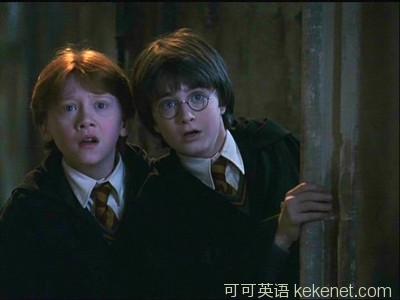
Harry and Hermione didn't get a chance to answer. Madam Pomfrey came over at that moment and made them leave, saying Ron needed sleep.
哈利和赫敏没有来得及回答,庞弗雷夫人正好在这个时候走了进来,叫他们离开,她说罗恩需要睡觉了。
重点讲解
一.usual:adj.通常的, 惯常的, 惯例的
【词义辨析】
1.common, ordinary, commonplace, general, usual, popular, universal
这些形容词均含有“普通的,普遍的”之意。
common多用于指物,侧重很常见,不稀奇。
ordinary用于物,指每天发生,十分平淡无奇;用于人,指无特别之处,很一般。
commonplace强调缺少新意。
general语气强于common,侧重大多如此,很少有例外情况。
usual指常见常闻和常做的事或举动,强调惯常性。
popular指适应大众爱好、需要,为大家所公认或接受。
universal与general同义,但语气较强,侧重对每个人或事物都适用,根本没有例外。
2.usual, customary, habitual, conventional, regular
这些形容词均有“通常的,惯常的”之意。
usual普通用词,概念广泛。指经常发生或意料中的事,既可指自然发生的现象,也可指按个人习惯或惯例而做的事。
customary指特定的个人或群体的平常习惯,或习俗性的行为。
habitual指按个人习惯反复发生的事情。侧重经常性、习惯性。
conventional语气强,指遵守已成习惯的事情,强调符合惯例,由人们普遍认可。
regular着重遵守约定俗成的规则。
【例句用法】
The vintage was later than usual.
那次葡萄采收期比平常年份晚。
It's an usual rivalry between brother and sister.
那是兄妹之间常见的钩心斗角。
二.leave:v.委托, 离开, 留给, 遗留, 遗赠, 听任 n.许可, 准假, 告别 vi.生出叶子
【语法用法】
leave一般用于现在时态或现在进行时态,不用将来时态。
I leave tomorrow.
I aw leaving tomorrow.
leave不可以与away搭配,所以不能说leave away;
leave不能表示“与(朋友)分别”,一般不说It is a month since I left him(他离开我有一个月了。);
句子He left her a watch有三种意思:他遗赠给她一只表,他把一只表交给她保管,他拿走了她的一切,只留下了一只表;
leave后面有时不可加off或from等介词。
I shall leave the city soon.
我该快点离开这个城市。
leave属于一时的,短暂的动作,要注意其在句中表达的意思。
He has left for a week.
他已离开,预备一周后回来。
He left a week ago.
他已离开一周。
leave作名词时,常以单数形式出现。
He took his leave yesterday.
They took their leave(s) yesterday.
一般上来说,涉及到地方时,我们用leave。表示偶然遗留某物时,可用forget。
I've forgotten my umbrella.
【错句举例与错句分析】
错句: My younger brother left Paris for a long time.
订正: My younger brother has been away from Paris for a long time.
翻译: 我弟弟离开巴黎一家有很长一段时间了。
分析: leave属于瞬间动词,不能与表示一段时间的状语for a long time连用。
【例句用法】
The accident left a scar on her leg.
那次事故後她的腿上留下了伤疤。
Her emotional appeal left him completely cold.
她虽动情,他却无动於衷。


