(单词翻译:单击)
听力文本
A Japanese man is angry with Japan's television company NHK. He is tired of hearing so many English words on TV. Mr Hoji Takahashi, 71, says he is stressed every time he hears an English loanword on NHK. He is taking NHK to court. He wants the TV company to pay him 1.4 million yen ($14,300) for his "mental distress". Mr Takahashi's lawyer told the AFP news agency that Japanese TV is too "Americanised". Takahashi doesn't understand why NHK uses words borrowed from English instead of Japanese words. He said NHK should use Japanese and not loanwords for vocabulary such as "toraburu" (trouble), "risuku" (risk) and "shisutemu" (system). He said this would help protect Japanese culture.
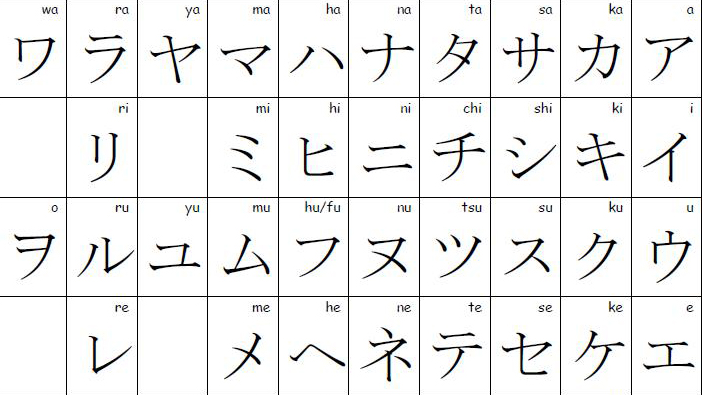
Mr Takahashi started a small group called "The Treat Japanese as Important Association". He started it after he wrote to NHK but got no reply. He said NHK does not care about his opinions. Takahashi said older Japanese people often have problems with the many loanwords on NHK. He said they have trouble understanding what announcers on NHK say. He told reporters: "Young people can probably understand a lot of this stuff, but for older people like myself, I don't know what it means." The Japanese language has thousands of words borrowed from English and other languages. It uses a special alphabet called katakana to write them. It also changes the pronunciation to fit with Japanese phonics.
中文翻译
一名日本男子对日本电视公司(日本广播协会)愤愤不已。电视上过多的英文单词使他感到不耐烦。现年71岁的高桥鹏二称,每次在日本广播协会上听到英语外来词都会让他倍感压力。随之,他将日本广播协会告上了法庭。他希望协会能够赔偿他140万日元精神损失费。高桥鹏二的律师对法新社称,日本电视太过于“美国化”。让高桥鹏二不解的是,为什么使用大量英文而不是日文。他称日本广播协会应该使用一些能够代表“toraburu”(麻烦),“risuku”(风险)以及“shisutemu”(系统)等日语词汇,而不是外来语。他称这么做将有助于保护日本文化。
高桥鹏二发起了一个名叫“重视日语”的小团体。该组织是在他向日本广播协会写信之后成立的,但是并没有收到回应。他认为日本广播协会并不重视他的意见。高桥鹏二称许多老年人经常会对电视上的外来语感到困惑。他认为他们听不懂电视播音员的话。他对记者说:“年轻人或许会明白,但是对于像我这样的老年人,我不知道它是什么意思。”日语中有上千个英语和其他语种的外来词。日语会用片假名来书写。这些外来语也会为了与日语的声学相配来变化发音。
译文属可可原创,仅供学习交流使用,未经许可请勿转载
重点讲解
1.tired of 厌烦
例句:Businessmen are tired of politicians talking the economy down.
商人厌烦政客们贬低经济的重要性.
2.borrow from 借用
例句:Japanese has borrowed heavily from English.
日语借用了很多英语词汇。
3.take to court 打官司
例句:If she gets that far, Jane may get legal aid to take her case to court.
如果走到那个地步,简也许能得到法律援助去打官司。
4.instead of 而不是
例句:Will you go to the party instead of me?
你替我赴宴好吗?
听力题目
1.What TV company is the man angry with?
a) Japan Today
b) BBC
c) NHK
d) CNN
2.Where is he taking the TV company?
a) to court
b) to the USA
c) to dinner
d) to a language school
3.How much money does he want in yen?
a) 4.1 million
b) 14,300
c) 13,400
d) 1.4 million
4.What did the man's lawyer say he felt about Japanese TV?
a) there aren't enough Japanese actors
b) it's too Americanised
c) there should be more news
d) it's boring
5.What would using only Japanese words protect?
a) English
b) systems
c) Japanese culture
d) loanwords
6.What kind of answer did he get after he wrote to the TV company?
a) an angry reply
b) no answer
c) one full of loanwords
d) a long one
7.Who did he say has problems with loanwords?
a) Americans
b) announcers at the TV company
c) everyone
d) older people
8.Who did he say could understand loanwords?
a) British people
b) young people
c) everyone
d) announcers at the TV company
9.How many loanwords are there in Japanese?
a) thousands
b) fewer than the Japanese loanwords in English
c) 17,873
d) a few
10.What changes to fit with Japanese phonics?
a) TV announcers
b) dictionaries
c) spelling
d) the pronunciation of loanwords
听力答案
1.c
2.a
3.d
4.b
5.c
6.d
7.b
8.d
9.a
10.d


