(单词翻译:单击)
《名人传记》之乔布斯亿万富豪嬉皮士
He's got a lot of compartments in his mind.
他的思维十分多面化
He was intense and thoughtful and I liked that about him.
他既热情又睿智 我很欣赏这一点
At college, Jobs met Daniel Kottke.
大学时 乔布斯认识了Daniel Kottke
Jobs quickly dropped out of his course
不久后 他就退了学
and lost no time tuning in.
并迅速地步入了人生的下一个阶段
We both got copies of this new book, Be Here Now.
我们都买了一本新书 叫《此时此地》
It was written by Ram Dass and all about his trip to India,
它由Ram Dass所著 讲述了作者去到印度
searching for a holy man who could explain what psychedelics do.
寻找一位可以解释迷幻剂奥妙之处的圣人的故事
It was fascinating for me and for Steve also
我和史蒂夫对此都很着迷
and so that was the basis of our friendship.
我们的友谊就是由此开始的
Jobs became a hippy,
乔布斯变成了一个嬉皮士
pursuing paths to personal liberation.
寻求着自我解放之路
He and Kottke took their own trip to India,
他和Kottke开始了属于他们自己的印度迷幻药之旅
and LSD, as this extraordinary tape reveals.
正如他在这盘难得的磁带里所说
The time we grew up was a magical time.
我成长的时代是一个神奇的时代
It was also a very spiritual time in my life.
它对我的精神世界影响颇深
Definitely taking LSD was one of the most important things in my life.
服用迷幻药绝对是我这辈子做过最重要的事情之一
Not the most important but right up there.
不是最重要的 但也差不多了
He spent long periods at a commune on a farm in Oregon.
他经常去俄勒冈州的一个农场公社长住
We spent a whole week harvesting apples and, while we were at it,
我们曾花了一整周的时间摘苹果
we decided we would just fast on apples and see how that worked
并且除了苹果什么也不吃 看看会怎样
and, um...
结果发现
it makes you every light-headed, cos it`s just like sugar.
这样只会让你头晕目眩 就跟糖吃多了一样
Jobs was inspired by the counter culture
乔布斯受到反主流文化的启发
to believe society was there to be reshaped.
相信这个社会面临着改变
As near as I can tell,
据我所知
Steve Jobs always had that ambition to change the world.
史蒂夫·乔布斯一直有改变世界的野心
And he expected to do that by empowering, um...everybody.
而他的方式 就是要赋予每个人改变自己的能力
But Jobs didn't share all the views of his counter culture buddies.
不过 乔布斯也不是一个彻底的反主流文化份子
Many hippies saw computers as tools of oppression,
很多嬉皮士都把电脑看作一种压迫剥削工具
produced by big businesses
它们被大公司制造出来
to extend the sway of other big businesses.
为的是实现其他大公司的狼子野心
Jobs, though, had grown up experimenting with electronics at home.
然而 乔布斯从小就在家与电子器件为友
《乔布斯传》第十二章 设计 大道致简69
Although his focus was on the Macintosh, Jobs wanted to create a consistent design language for all Apple products. So he set up a contest to choose a world-class designer who would be for Apple what Dieter Rams was for Braun. The project was code-named Snow White, not because of his preference for the color but because the products to be designed were code-named after the seven dwarfs. The winner was Hartmut Esslinger, a German designer who was responsible for the look of Sony’s Trinitron televisions. Jobs flew to the Black Forest region of Bavaria to meet him and was impressed not only with Esslinger’s passion but also his spirited way of driving his Mercedes at more than one hundred miles per hour.
尽管乔布斯关注的重点在麦金塔电脑上,但他还在寻求为所有的苹果产品创造统一的设计风格。于是,在杰里·马诺克和非正式团体“苹果设计协会”的帮助下,乔布斯组织了一次选拔赛,为苹果挑选世界级的设计师,如同博朗公司的迪特尔·拉姆斯一样。这个计划命名为“白雪公主”,起这个名字并不是因为对白色的偏爱,而是因为比赛中需要选手设计的产品是以七个小矮人的名字命名的。最终的赢家是德国设计师哈特穆特·艾斯林格(HartmutEsslinger),他曾负责设计了索尼特丽珑电视的外观。乔布斯飞到巴登-符腾堡州的黑森林地区与他会面,给乔布斯留下深刻印象的不仅是艾斯林格的激情,还有他开着奔驰以超过100英里的时速狂奔的勇猛精神。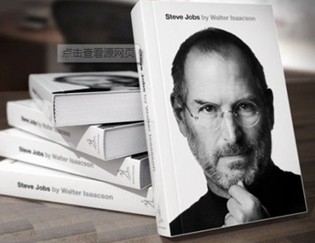
Even though he was German, Esslinger proposed that there should be a “born-in-America gene for Apple’s DNA” that would produce a “California global” look, inspired by “Hollywood and music, a bit of rebellion, and natural sex appeal.” His guiding principle was “Form follows emotion,” a play on the familiar maxim that form follows function. He produced forty models of products to demonstrate the concept, and when Jobs saw them he proclaimed, “Yes, this is it!” The Snow White look, which was adopted immediately for the Apple IIc, featured white cases, tight rounded curves, and lines of thin grooves for both ventilation and decoration. Jobs offered Esslinger a contract on the condition that he move to California. They shook hands and, in Esslinger’s not-so-modest words, “that handshake launched one of the most decisive collaborations in the history of industrial design.” Esslinger’s firm, frogdesign,2 opened in Palo Alto in mid-1983 with a $1.2 million annual contract to work for Apple, and from then on every Apple product has included the proud declaration “Designed in California.”
艾斯林格虽然是德国人,但他提出“苹果产品的DNA中应该有土生土长的美国基因”有独特的加利福尼亚风情,就像“好莱坞和音乐一样,有一点叛逆,还有自然散发的性感魅力”。他的指导思想是“形式追随情感”,这套用了那旬众人皆知的“形式追随功能”。他制作了40个模型来阐述这一概念,当乔布斯看到这些模型的时候,他宣布:“对,就是这样!”“白雪公主”的外观立即被运用到了AppleII上:白色的机箱,紧致的圆润曲线,既能散热又起到装饰作用的细密通风槽。乔布斯给艾斯林格提供了一份合同,条件是他必须搬到加州居住。两人握手达成了协议,用艾斯林格不那么谦虚的话说:“那次握手开启了工业设计史上最为决定性的一次合作。”艾斯林格的公司——青蛙设计①——1983年年中在帕洛奥图成立,并从苹果公司得到了一份每年120万美元的大合同,从那时起,所有的苹果产品上都可以见到这句自豪的宣言:加利福尼亚设计。
From his father Jobs had learned that a hallmark of passionate craftsmanship is making sure that even the aspects that will remain hidden are done beautifully. One of the most extreme—and telling—implementations of that philosophy came when he scrutinized the printed circuit board that would hold the chips and other components deep inside the Macintosh. No consumer would ever see it, but Jobs began critiquing it on aesthetic grounds. “That part’s really pretty,” he said. “But look at the memory chips. That’s ugly. The lines are too close together.”
乔布斯从父亲身上学到,充满激情的工艺就是要确保即使是隐藏的部分也被做得很漂亮。这种理念最极端也是最有说服力的例子之一,就是乔布斯会仔细检查印刷电路板。电路板上是芯片和其他部件,深藏于麦金塔的内部,没有哪个用户会看到它,但乔布斯还是会从美学角度对它进行评判。“那个部分做得很漂亮,”他说,“但是,看看这些存储芯片。真难看。这些线靠得太近了。”
One of the new engineers interrupted and asked why it mattered. “The only thing that’s important is how well it works. Nobody is going to see the PC board.”
一名新手工程师打断他说这有什么关系,“只要机器能运行起来就行,没人会去看电路板的”。
Jobs reacted typically. “I want it to be as beautiful as possible, even if it’s inside the box. A great carpenter isn’t going to use lousy wood for the back of a cabinet, even though nobody’s going to see it.” In an interview a few years later, after the Macintosh came out, Jobs again reiterated that lesson from his father: “When you’re a carpenter making a beautiful chest of drawers, you’re not going to use a piece of plywood on the back, even though it faces the wall and nobody will ever see it. You’ll know it’s there, so you’re going to use a beautiful piece of wood on the back. For you to sleep well at night, the aesthetic, the quality, has to be carried all the way through.”
乔布斯的反应和往常一样:“我想要它尽可能好看一点,就算它是在机箱里面的。优秀的木匠不会用劣质木板去做柜子的背板,即使没人会看到。”几年之后,在麦金塔电脑上市后的一次访谈中,乔布斯再一次提到了当年父亲对他的教导:“如果你是个木匠,你要做一个漂亮的衣柜,你不会用胶合板做背板,虽然这一块是靠着墙的,没人会看见。你自己知道它就在那儿,所以你会用一块漂亮的木头去做背板。如果你想晚上睡得安稳的话,就要保证外观和质量都足够好。”
From Mike Markkula he had learned the importance of packaging and presentation. People do judge a book by its cover, so for the box of the Macintosh, Jobs chose a full-color design and kept trying to make it look better. “He got the guys to redo it fifty times,” recalled Alain Rossmann, a member of the Mac team who married Joanna Hoffman. “It was going to be thrown in the trash as soon as the consumer opened it, but he was obsessed by how it looked.” To Rossmann, this showed a lack of balance; money was being spent on expensive packaging while they were trying to save money on the memory chips. But for Jobs, each detail was essential to making the Macintosh amazing.
在迈克·马库拉的影响下,乔布斯把父亲的“关心隐藏部分的美观”的理念进一步延伸:漂亮的产品包装和展示也同样重要。人们确实是会“以貌取物”的。所以,乔布斯为麦金塔电脑的包装选择了全彩设计,并不断对其进行改善。“他让大家重做了50次,”阿兰·罗斯曼(AlainRossmatm)回忆说,他是Mac团队的成员之一,后来娶了乔安娜·霍夫曼,“用户一打幵包装,这些东西就会被扔进垃圾箱,但他还是执著于包装的式样。”对于罗斯曼来说,这显得有点失衡:一方面大把的钱被花在了昂贵的包装上,另一方面他们又试图在存储芯片上压缩成本。但对于乔布斯来说,要让麦金塔在性能和外观上都给人惊艳的感觉,每一个细节都是至关重要的。
When the design was finally locked in, Jobs called the Macintosh team together for a ceremony. “Real artists sign their work,” he said. So he got out a sheet of drafting paper and a Sharpie pen and had all of them sign their names. The signatures were engraved inside each Macintosh. No one would ever see them, but the members of the team knew that their signatures were inside, just as they knew that the circuit board was laid out as elegantly as possible. Jobs called them each up by name, one at a time. Burrell Smith went first. Jobs waited until last, after all forty-five of the others. He found a place right in the center of the sheet and signed his name in lowercase letters with a grand flair. Then he toasted them with champagne. “With moments like this, he got us seeing our work as art,” said Atkinson.
最终的设计方案敲定后,乔布斯把麦金塔团队的成员都召集到一起,举行了一个仪式。他说:“真正的艺术家会在作品上签上名字。”于是他拿出一张绘图纸和一只三福笔(Sharpiepen),让所有人都签上了自己的名字。这些签名被刻在了每一台麦金塔电脑的内部。除了维修电脑的人,没有人会看到这些名字。但团队里的每个成员都知道那里面有自己的名字,就如同每个人都知道那里面的电路板已经被设计得尽善尽美了。乔布斯一个一个叫出大家的名字,让他们签名。伯勒尔·史密斯是第一个。乔布斯等到了最后,其他45个人都签过名后,他在图纸的正中间找到了一个位置,用小写字母潇洒地签下了自己的名字。然后他以香槟向大家祝酒。“在这样的时刻,他让我们觉得自己的成果就是艺术品。”阿特金森说——
注释:
①作者注:2000年,“青蛙设计”(frogdesign)更名为“青蛙设计”(frogdesign)并迁至旧金山。当初艾斯林格为公司挑选这样一个名字,不仅是因为青蛙具有变态(形态变化)的能力,也是为了向自己的祖国德意志联邦共和国〖(f)ederalRepublic(o)f(g)ermany〗致敬。他说:“小写字母体现的是包豪斯运动的无层级语言观念,强化了公司民主合作的精神。”


