(单词翻译:单击)
乔布斯如何改变世界
Look at how lovely these things are.
看看这些东西是多么可爱
I mean, even when they're off
我是说即使不使用它们
they're beautiful to hold.
拿在手里都觉得漂亮
In their design,Jobs' went for simplicity above all else.
在他们的设计中 乔布斯把简洁作为首要理念
If he had a mantra it could have just been "Simple."
如果他有格言的话 很可能就是"简洁"
Simple.
简洁
It seems like his unspoken rule was one button or less,
似乎一个按键或无按键是他不言而喻的理念
even going all the way back to the first mouse on the first Mac.
即使追溯到第一台Mac的第一只鼠标
One button.
只有一个按键
And the most iconic of them all is probably the one button right here.
而最具代表性的大概便是这个按键
And that device, big screen,little button, nothing else,
这种设备 大屏幕 少按键 没有多余的东西
blew up, yet, another entire industry,
强烈冲击了另一个巨大产业
maybe even more than the iPod affected the music business.
或许比iPod对音乐的影响更甚
Every once in a while a revolutionary product comes along
每过一段时间 就会出现一个革命性产品
that changes everything.
它将改变了一切
On January 9th, 2007,the bomb dropped.
在2007年1月9日 华章奏响
The iPhone came on the marketplace it totally blew the market away.
iPhone横空出世 席卷了整个市场
You could do anything you wanted on it.
在iPhone上 你可以随心所欲
Steve Jobs introduces what many consider to be his most revolutionary product.
史蒂夫·乔布斯推出了一款公认最具革命性的乔氏产品
An iPod, a phone,and an internet communicate.
iPod 电话 网络连接功能
This is one device!
集大成的产品
And we are calling it, iPhone.
我们将其命名为 iPhone
The revolution really began with the iPhone.
变革始于iPhone
It took this idea that had been in the air,
它把人们的奇思异想
i.e. someday you'll have your computer in your pocket
比如 有一天能把电脑装进口袋里
and turned it into a reality.
将其变为现实
What we want to do is make a leap-frog product
我们想要生产一种跨时代的产品
that's way smarter than any mobile device has ever been and super easy to use.
它要比现有的任何手机都更加智能 更加简单易用
It was so powerful.
它功能如此强大
It had more computer power than all of NASA in 1969 when they put two men on the moon!
1969年NASA的计算机足以把人类送上月球 却也比不过iPhone
Imagine, having the entire computer power of NASA right in your hand.
试想 将NASA全部的运算能力握在手中 那是怎样的感觉
《乔布斯传》第三章:出离 顿悟 修行16
Reed College
里德学院
Seventeen years earlier, Jobs’s parents had made a pledge when they adopted him: He would go to college. So they had worked hard and saved dutifully for his college fund, which was modest but adequate by the time he graduated. But Jobs, becoming ever more willful, did not make it easy. At first he toyed with not going to college at all. “I think I might have headed to New York if I didn’t go to college,” he recalled, musing on how different his world—and perhaps all of ours—might have been if he had chosen that path. When his parents pushed him to go to college, he responded in a passive-aggressive way. He did not consider state schools, such as Berkeley, where Woz then was, despite the fact that they were more affordable. Nor did he look at Stanford, just up the road and likely to offer a scholarship. “The kids who went to Stanford, they already knew what they wanted to do,” he said. “They weren’t really artistic. I wanted something that was more artistic and interesting.”
17年前,乔布斯的父母领养他的时候曾经作过保证:他一定会上大学。所以他们一直努力工作,为他的大学专款省吃俭用,等到乔布斯高中毕业时,这笔专款虽不多,但也足够他上大学的费用了。但越来越任性的乔布斯把这件事变得很艰难。一开始,他根本就不想读大学。“如果我没有读大学的话,我应该会直接去纽约。”他回忆说,一边思考着如果当年选择了那条道路,自己的世界——也许是我们所有人的世界——会有怎样的不同。当他的父母坚持要他上大学时,他以一种被动而富有侵略性的态度进行了回应。他不考虑州立学,比如当时沃兹就读的伯克利,尽管州立大学的学费更加亲民。他也不想去斯坦福,尽管就在家旁边,而且可能会给他提供奖学金。“去念斯坦福的人,他们已经知道自己想要什么了,”他说,“他们一点儿艺术性都没有。我想要上的是更富有艺术性的、更有趣的学校。”
Instead he insisted on applying only to Reed College, a private liberal arts school in Portland, Oregon, that was one of the most expensive in the nation. He was visiting Woz at Berkeley when his father called to say an acceptance letter had arrived from Reed, and he tried to talk Steve out of going there. So did his mother. It was far more than they could afford, they said. But their son responded with an ultimatum: If he couldn’t go to Reed, he wouldn’t go anywhere. They relented, as usual.
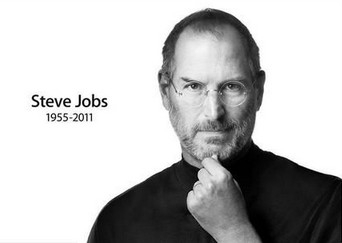 他坚持唯一的一个选项是里德学院,位于俄勒閃州波特兰市的一所私立文理学院,也是全美最贵的大学之一。他在伯克利看望沃兹的时候接到了父亲的电话,被告知里德学院的录取通知书到了,同时父亲还试图劝说史蒂夫不要去那里,母亲也劝他。他们说,里德的学费太高了,根本不是他们所能承受的。但他们的儿子下了最后通牒:如果他不能去里德学院的话,那么他就哪儿都不去。如往常一样,父母又一次妥协了。
Reed had only one thousand students, half the number at Homestead High. It was known for its free-spirited hippie lifestyle, which combined somewhat uneasily with its rigorous academic standards and core curriculum. Five years earlier Timothy Leary, the guru of psychedelic enlightenment, had sat cross-legged at the Reed College commons while on his League for Spiritual Discovery (LSD) college tour, during which he exhorted his listeners, “Like every great religion of the past we seek to find the divinity within. . . . These ancient goals we define in the metaphor of the present—turn on, tune in, drop out.” Many of Reed’s students took all three of those injunctions seriously; the dropout rate during the 1970s was more than one-third.
里德的在校生只有1000人,规模只有家园高中的一半。学校以自由精神及嬉皮士生活方式著称,与这样一种生活方式并存的是学校严格的学术准及核心课程。5年前,迷幻启蒙运动的领袖蒂莫西·利里(TimothyLeary)在他的“精神探索联盟”高校之旅中,曾经盘腿坐在里德学院的草地上,大声呼喊:“就如同过去所有我们在其中寻找神性的伟大宗教一样……那些古老的目标都隐喻着现在——打开心扉、自问心源、脱离尘世(Turnon,tunein,dropout)。”许多里德学院的学生把这三条吿诫奉为座右铭,学校在20世纪70年代的退学率超过了1/3。
When it came time for Jobs to matriculate in the fall of 1972, his parents drove him up to Portland, but in another small act of rebellion he refused to let them come on campus. In fact he refrained from even saying good-bye or thanks. He recounted the moment later with uncharacteristic regret:
1972年,乔布斯要开学了,他的父母开车带他来到了波特兰。但他又做出了叛逆的举动:拒绝父母送他进校园。事实上,他甚至连“再见”和“谢谢”都没有说。后来他回想这件事的时候,充满了愧疚:
It’s one of the things in life I really feel ashamed about. I was not very sensitive, and I hurt their feelings. I shouldn’t have. They had done so much to make sure I could go there, but I just didn’t want them around. I didn’t want anyone to know I had parents. I wanted to be like an orphan who had bummed around the country on trains and just arrived out of nowhere, with no roots, no connections, no background.
这是一生中真正让我觉得羞愧的一件事。我当时不够体贴,伤害了他们的感情。我不该那么做的。他们为了能让我去那儿读书竭尽全力,但我就是不愿意他们在我身边。我不想让任何人知道我有父母。我就想像个搭火车四处流浪的孤儿一样,突然出现在校园,没有根,没有与外界的联系,也没有背景故事。
In late 1972, there was a fundamental shift happening in American campus life. The nation’s involvement in the Vietnam War, and the draft that accompanied it, was winding down. Political activism at colleges receded and in many late-night dorm conversations was replaced by an interest in pathways to personal fulfillment. Jobs found himself deeply influenced by a variety of books on spirituality and enlightenment, most notably Be Here Now, a guide to meditation and the wonders of psychedelic drugs by Baba Ram Dass, born Richard Alpert. “It was profound,” Jobs said. “It transformed me and many of my friends.”
1972年下半年,乔布斯来到里德学院的时候,美国的校园生活发生了根本性的转变。美国对越南的战争,以及随之而来的征兵热潮,都在逐渐平息。校园中的政治激进主义渐渐消退,许多宿舍的卧谈会主题都已换成对自我实现的兴趣。乔布斯深受一系列关于精神和启蒙的书籍影响,尤其是《此时此地》(BeHereNow),这是一本介绍冥想及致幻剂的美妙之处的书,作者是拉姆·达斯导师(BabaRamDass),本名叫理查德·阿尔拍特(RichardAlpert)。“这本书意义深远,”乔布斯说,“它改造了我和很多朋友。”
The closest of those friends was another wispy-bearded freshman named Daniel Kottke, who met Jobs a week after they arrived at Reed and shared his interest in Zen, Dylan, and acid. Kottke, from a wealthy New York suburb, was smart but low-octane, with a sweet flower-child demeanor made even mellower by his interest in Buddhism. That spiritual quest had caused him to eschew material possessions, but he was nonetheless impressed by Jobs’s tape deck. “Steve had a TEAC reel-to-reel and massive quantities of Dylan bootlegs,” Kottke recalled. “He was both really cool and high-tech.”
这帮朋友里和乔布斯最亲密的是一个留着稀疏胡子的大一新生:丹尼尔·科特基(DanielKottke),他是在抵达里德学院一周后见到乔布斯的,和乔布斯一样喜欢佛教禅宗、迪伦和迷幻药。来自纽约一个富人区的科特基聪明又温和,对佛教的兴趣让他那花童一般的行为举止显得更加柔和。精神上的探索让他不再追求物质享受,尽管如此,他还是对乔布斯的录音座印象深刻。“史蒂夫有一台TEAC牌双卷盘录音设备,还有大量迪伦的录音带,”科特基回忆说,“他真的很酷,又科技感十足。”


