(单词翻译:单击)
You've probably experienced it before:
你很可能经历过这样的事情:
you go to the grocery store or wherever,
去杂货店或其它地儿,
and for some weird reason, coming back seems to take a lot less time than getting there did.
因为一些奇怪的原因,回来的时间似乎比去那里的时间更少。
Weirdly less time.
很奇怪。
Suspiciously less time.
令人百思不得其解。
What kind of wibbly-wobbly timey-wimey stuff is this?!
为什么不一样呢!?
Well, good news.
哦,这是个好问题
You probably weren't abducted by aliens or anything like that.
很可能不是被外星人绑架,或是什么别的原因。
And unless you got stuck in traffic or something on the way out, your route back wasn't actually shorter.
除非你在路上遇到交通堵塞或其它什么事情,否则其实你回来的路程并没有缩短。
You're just experiencing the return trip effect because your brain isn't all that accurate at estimating how long things take.
这不过是回程效应,因为你的大脑并不能准确估计需要多长时间。
This feeling that the way back is shorter is so universal that psychologists have been trying to understand why it happens for decades.
人们都会有这种感觉,以至于几十年来,心理学家们一直在试图弄明白为什么会出现这种状况。
Back in the 1950s, researchers proposed that it was due to familiarity, which would kind of make sense.
早在20世纪50年代,研究人员就提出这和熟悉程度有关,这是有道理的。
They figured that on the way out,
研究发现,
you're actively paying attention to all sorts of new sights, so you really feel every second as it passes.
去的时候你正积极地关注着各种各样的新事物,所以你真的感觉到时间在一秒一秒地过去。
But on the way back,
但在返回的路上,
while you might note a few landmarks, you just aren't noticing things the same way because you've seen it all before.
你可能会注意到一些地标,只是注意的方式不一样,因为你以前都看到过。
And because you're paying less attention, your ability to estimate time gets a little, well, warped.
因为不太注意,所以估计时间就不准了。
There's evidence that things like attention to the passage of time,
有证据表明,时间的流逝、
the number of events we experience during a period of time, and stuff like boredom and impatience can mess up how you perceive time.
我们在一段时间内经历事件的数量、无聊和急躁会打乱你对时间的认知。
And familiarity could potentially affect any of those.
熟悉度可能会影响到这些。
But… there's actually not much support for the idea that familiarity is to blame.
但是,事实上,没有多少人支持这样的观点——熟悉度是罪魁祸首。
For example, one study found that as long as participants watching a video had the sense that they were moving,
例如,研究发现,只要参与者观看视频时感觉自己在移动,
just being told that the way back was the way back was enough to make it feel shorter.
只要告诉他们回去的路还是那条路,他们就会感觉路程短一些。
Which is bonkers.
有些不正常。
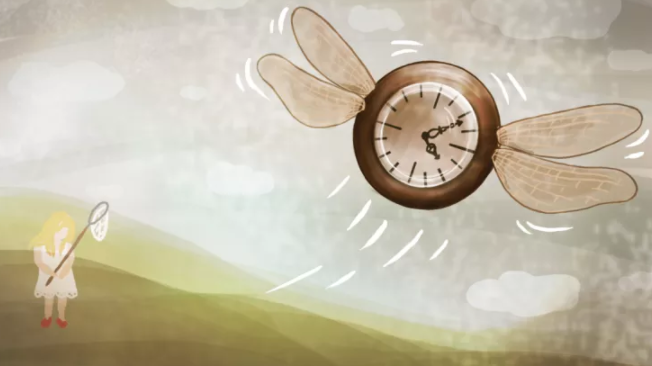
And more studies have found that you don't actually perceive the time wrong in the moment.
更多研究发现,实际上你并没有意识到时间的错误。
When participants in a 2015 study were asked to tell the researchers every time they thought three minutes had passed,
在2015年的一项研究中,参与者被要求在每次自己认为已经过去三分钟的时候告诉研究人员,
they did equally well when watching videos of an outbound trip, a return trip, and an alternate route of the same length.
他们在观看出境旅游、回程以及有着相同路程的备用视频时表现的很好。
But when reflecting on the experience afterwards, all of a sudden, they thought the return trip video was shorter than the other two.
但当他们事后回想这段经历时,突然之间,他们认为回程视频比另外两段短。
So, you know, hindsight not so 20/20.
所以,事后的感觉不是都对的。
This all suggests that the return trip effect has something to do with the stories we tell ourselves after the fact, not how we perceive time.
这一切都表明,回程效应与事后我们告诉自己的事情有关,而和我们感知时间的方式无关。
Weird and cool as that is, though, it doesn't tell us why we make the error.
尽管这很奇怪也很酷,但它并没有告诉我们为什么会犯这样的错误。
The most recent idea, which seems to be gaining traction among psychologists, is that it happens because of a violation of expectations.
最近的一个观点似乎颇受心理学家欢迎,那就是预期超出。
In general, we're pretty bad at estimating how long things will take.
一般来说,我们不善于估计事情需要多长时间。
Anyone who has ever waited until the last minute to write a paper or packed desperately 45 minutes before their flight takes off knows this very well.
等到最后一刻才写论文的人或者在飞机起飞前45分钟拼命打包的人都有这种感受。
So, like most things in our lives,
所以,就像我们生活中的大多数事情一样,
we think the outbound trip will take less time than it actually does.
我们认为出境游的时间会比实际时间短。
And that makes it feel painfuly long.
这种感觉会让日子很难熬。
Then, on the return trip, we adjust our expectations:
然后,在回程中,我们调整了预期:
it's gonna take forever and we just gotta deal.
时间得很长,我们必须要解决。
But the sheer misery of the outbound trip means that we overestimate the return trip.
但我们对出境游的痛苦意味着我们高估了回程的时间。
We expect it to be extra painfully long, and then we end up being pleasantly surprised by how short it is.
我们以为它会特别长,但最终我们会惊喜地发现它是那么短。
But, of course, that's just a hypothesis— so a 2011 study published in Psychonomic Bulletin &
但是,当然,这只是一个假设——所以2011年发表在《心理经济学公报》上的一项研究;
Review tested it and the familiarity hypothesis head-to-head.
再次测试了该研究和熟悉度假说。
They had 93 college freshmen bike to a forest for some get-to-know-you bonding games at the beginning of the school year.
他们让93名大一新生骑着自行车去森林里玩一些“开始了解你”的游戏
The students biked out one way and then came back either the same way or a new and different way that took the same amount of time.
学生们采取骑车的方式,然后以同样或者另一种花费时间相同的交通方式返程。
The return trip effect showed up regardless of which way they went back, so familiarity didn't make the rides feel shorter.
无论采取何种方式,回程效应都会显现出来,所以熟悉程度并没有让行程更短。
But the effect was more extreme when the student thought the outbound trip took longer than they'd expected it to.
但当学生认为出境游的时间比他们的预期时间要长时,这种效应就更加极端了。
In fact, the more off their expectations were at first, the worse they were at judging how long it took to get back....
事实上,起初的期望值越低,判断返程的时间就越糟糕。
Which is exactly what you'd expect if it was expectations, not familiarity, causing the return effect.
准确来说,是期望而非熟悉度导致了回程效应。
And that fits nicely with the other studies.
这和其它研究得出的结果吻合。
Ultimately, it's more about how we think about and frame the return trip in our minds than what's happening in the moment that matters.
归根结底,这和我们如何思考和在脑海中规划回程有关,而不与重要时刻发生了什么有关。
And that also potentially answers another timeless question: why your daily commute always feels so long.
这也可能回答了另一个永恒的问题:为什么你总是感觉每天的通勤时间很长?
You know every inch of your route to work all too well, so you're super good at predicting how long it will take —
你对你的工作路线了如指掌,所以你非常擅长预测路程时间
and that means you're rarely pleasantly surprised.
这意味着意外惊喜是绝少的。
Thanks for watching this episode of SciShow Psych!
感谢收看心理科学秀节目!
If you like this episode, you might also like our episode on whether doorways really make you forget things.
如果你喜欢本集节目,你可能也会喜欢我们的节目——门廊是否真的让你忘事。


