(单词翻译:单击)
Although we have a choice in becoming the people we strive to be, it is without a doubt that our childhoods shape us to a certain extent.
虽然我们可以选择成为想要成为人,但毫无疑问,我们的童年在一定程度上塑造了我们。
How we choose to react to different situations and the way we express ourselves are behavioral patterns
我们如何应对不同情况以及我们表达自己的方式都是在小时候开始形成的行为模式,
that are formed starting at a young age when we first begin to learn how to make sense of our immediate environment.
在我们第一次开始学习如何理解我们的直接环境时就已经开始了。
Marriage and family counselor is Dr. Millan and Kay Yerkovich discovered that everyone has a certain love style based on their upbringing.
婚姻和家庭咨询师米兰和凯发现每个人都有一种基于童年教养的爱情姿态。
A love style is comprised of our tendencies and inclinations of how we respond to our romantic partners.
爱情姿态包括我们的倾向性以及我们如何回应爱人的倾向。
But understanding how we love, we can learn how our love styles affect our relationships.
但通过理解如何去爱,我们可以认识到我们的爱情姿态对恋爱关系的影响。
Here are Dr. Millan and Kay Yerkovich's five love styles.
以下是米兰和凯的5种恋爱姿态。
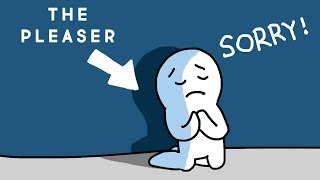
1. The pleaser.
1. 讨好者。
The pleaser often grows up in a home with an overly protective or angry and critical parent.
讨好者的成长家庭中常有一位过度保护或愤怒、挑剔的父母。
As children, pleasers do everything they can to be good and be on their best behavior so as to not provoke a negative response from their parent.
小时候,讨好者会尽一切展现最好的一面,因为这样他们的父母就不会否定他们。
Pleaser children don't receive comfort instead they spend their time and energy giving comfort to their reactive parent.
讨好的孩子得不到安慰,相反他们会花时间和经历安慰他们的父母。
Pleasers are uncomfortable with conflict and deal with disagreements by often giving in or making up for them quickly.
讨好者不喜欢冲突,他们会通过让步或迅速做出弥补的方式应对分歧。
They usually have a hard time saying no and because they want to minimalize conflict they may not be truthful and lie to avoid difficult confrontations.
他们通常难以开口说不,因为他们想要减少冲突,他们可能会撒谎以避免艰难的对抗。
As pleaser children grow into adults they learn to read the moods of others around them to make sure they can keep everyone happy.
讨好的孩子成年后学会了看别人的脸色,以确保每个人都开心。
However, when pleasers feel stressed or believe that they are continuously letting someone down, they can have a breakdown and flee from relationships.
但当讨好者感受到压力或认为他们总让别人失望时,他们会崩溃并逃离这段感情。
Pleasers often spread themselves thin trying to be everything to everyone when it's not realistic.
讨好者常常分散过多的精力试图帮助每个人,但这样不现实。
And instead of forming healthy boundaries for themselves, they focus more on the needs and desires of others.
他们没有设定和他人之间的健康界限,而是更多的专注于他人的需求和渴望。
In order for pleasers to cultivate stable relationships,
讨好者要想培养稳定的关系
they have to be honest about their own feelings rather than trying to do what is expected of them.
就必须对自己的感受诚实,而不是做那些别人期待的事情。
2. The victim.
2. 受害者。
The victim often grows up in a chaotic home.
受害者经常成长在一个混乱的家庭中。
Victims learn to be compliant in order to survive by putting less attention on themselves so they can stay under the radar.
为了生存,他们很少关注自己,以此来保持低调,因而他们学会了顺从。
To deal with their angry, violent parents, victim children learn at a very young age to hide and stay quiet.
为了应对他们愤怒暴力的父母,受害者儿童很小就学会了隐藏和保持安静。
Because being fully present is painful for them,
因为完全暴露会让自己痛苦,
victim children often build an imaginary world in their heads to cope with the dangers they face on a daily basis.
受害者儿童经常在脑海中构建一座想象的世界以此来处理他们日常生活中面临的危险。
Victims have low self-esteem and usually struggle with anxiety and depression.
受害者低自尊,常与焦虑症和抑郁症斗争。
They may end up marrying controllers who mirror the same behaviors as their parents.
他们可能会和控制者结婚,控制者是那些模仿他们父母行为的人。
Victims learn to cope by being adaptable and going with the flow.
受害者学会了用适应和随波逐流应对一切。
They are used to chaos and stressful situations so much that when they do experience calmness,
他们习惯了混乱和压力,因此当他们经历平静时,
it actually makes them feel uneasy as they anticipate for the next biggest blow-up.
他们会感到心神不安,他们会期待下一次的大争吵。
In order for victims to cultivate healthy, stable relationships, they have to learn self-love and stand up for themselves
想要健康稳定的关系,受害者需要学会自爱,为自己挺身而出
when a situation calls for it instead of letting their partner walk all over them.
而不是让他们的父母彻底击败自己。
3. The controller.
3. 控制者。
The controller usually grows up in a home where there wasn't a lot of protection so they learn to toughen up and take care of themselves.
控制者的成长环境常缺乏保护,因此他们学会了强硬和照顾自己。
They need to feel in control at all times to keep the vulnerability they experienced in their childhood from revealing in their adulthood.
他们需要感觉随时掌控全局摆脱自己在童年时期所经历的脆弱,在成年时期治愈自己。
People with this love style believe that they're in control when they can avoid experiencing negative feelings of fear, humiliation and helplessness.
这种爱情姿态的人认为当他们可以避免恐惧、羞耻和无助等负面情绪时,自己是在掌控全局。
Controllers, however, don't associate anger as vulnerability so they use it as a weapon to remain in power.
但控制者并没有将愤怒当做弱点,因此他们将此作为武器保证自己的权利。
Controllers have rigid tendencies but may also be sporadic and unpredictable.
控制者有着强硬的倾向性,但也会不可预测。
They don't like stepping out of their comfort zones because it makes them feel weak and unprotected.
他们不喜欢走出自己的舒适区,因为这样会让他们感觉脆弱和不安全。
They prefer to solve problems on their own and like getting things done in a certain manner, otherwise they get angry.
他们喜欢用自己的方式解决问题,喜欢以某种方式做事,否则他们会愤怒。
In order for controllers to form stable, long lasting relationships, they need to learn how to let go, trust others and keep their anger at bay.
他们要想获得稳定持久的关系,就需要学会如何放手、信赖别人以及控制自己的愤怒。
4. The vacillator.
4. 犹豫者。
The vacillator often grows up with an unpredictable parent.
犹豫者的成长中常有一位不可预测的父母。
As children, vacillators learned that their needs aren't their parent's top priority.
小时候,犹豫者就了解到他们的需求不是他们父母首要关心的。
Without consistent affection from their parent, vacillators develop a deep fear of abandonment.
没有了来自父母的关爱,犹豫者形成了对抛弃深深的恐惧。
But when the parent finally feels like giving their time and attention to them, vacillators are usually too angry and tired to receive it.
但当父母最终想给他们时间和关爱时,犹豫者通常会很生气且疲于接受。
As vacillators enter adulthood, they try to find the consistent love they were deprived of as children.
成年后,犹豫者想要找到童年时被剥夺的始终如一的爱。
Vacillators have a tendency to idealize new relationships, but once they feel let down or disappointed, they grow dejected and doubtful.
犹豫者倾向于将新关系理想化,但是,一旦他们感到失望,他们会沮丧且疑惑。
They often feel misunderstood and experience a lot of internal conflict and emotional stress within their relationships.
在他们的恋爱关系中,他们常感到被误解,经历很多内部冲突和情感压力。
They can be extremely sensitive and perceptive, which allows them to detect even the slightest change in others and know when people are pulling away.
他们可以极度敏感敏弱,这他们可以感测他人最轻微的变化并且知道他人什么时候会离去。
In order for vacillators to cultivate healthy, stable relationships,
想要培养健康稳定的关系,
they need to learn how to pace themselves and get to know someone first before committing too soon and getting hurt by their own expectations.
他们需要学会如何调整自己并在采取行动,利用期待来伤害别人之前先去了解对方。
5. The avoider.
5. 逃避者。
The avoider often grows up in a less affectionate home that values independence and self-reliance.
逃避者常成长在一个缺乏关爱的家庭,这样的家庭重视独立和自力。
As children, avoiders learned to take care of themselves starting at a very young age
小时候,逃避者很小就学会了如何照顾自己
and put their feelings and needs on hold to deal with their anxieties of having little to no comfort and nurturance from their parents.
并将他们的感受和需求搁置一旁以应对没有父母安慰和养育的焦虑。
Avoiders tend to like their space and rely on logic and detachment more than their emotions.
逃避者喜欢自己的空间,依赖于逻辑和客观而非情感。
They get uncomfortable when people around them experience intense mood swings.
当周围的人出现强烈的情绪波动,他们会很不安。
In order for avoiders to cultivate healthy, long-lasting relationships, they need to learn how to open up and express their emotions honestly.
他们想要培养健康长久的感情就需要学会如何敞开心扉,诚实地表达自己的情绪。
Which love style do you identify with? Please share your thoughts with us below.
你是哪种爱情姿态?请在下方留言告知。
Also we love to give special thanks to our sponsors better help:
我们想要给我们的赞助人特别的感谢
an affordable online counseling platform for those who are struggling with mental health.
一个为精神障碍斗争的人儿提供的在线咨询平台。
If you're interested, we've included a link in the description below.
如果感兴趣,下方有链接。


