(单词翻译:单击)
Mysteries of vernacular: Robot, a machine capable of carrying out a programmable series of actions.
通用俗语的谜团:机器人,是指一台可以执行一系列可编程行动的机器。
The origin of the word robot dates back more than a thousand years to the era of serfdom in central Europe
机器人一词起源于一千多年前农奴制的中欧,
when servitude was the currency for rent.
那时的农奴是用作租金的货币。
In those days, the Old Church Slavonic word rabota described the forced labor of the people.
在当时,古教会斯拉夫语中用“rabota”形容人们被迫劳动。
A slight adjustment of spelling, and rabota became the Czech robota,
拼写稍稍改动后,rabota成为了捷克的robota,
which, in addition to defining the toil of the serfs,
为了定义农奴的困苦,
was also used figuratively to describe any kind of hard work or drudgery.
同时,robota也用于比喻任何形式的艰难的工作或辛苦的劳作。
In 1920, Czech writer Karel Capek published a science fiction play called 'R.U.R.', short for 'Rossum's Universal Robots.'
在1920年,捷克作家卡雷尔·恰佩克发表了一部叫做“R.U.R.”的科幻小说剧,“R.U.R.”是“罗斯姆的万能机器人”的缩写。
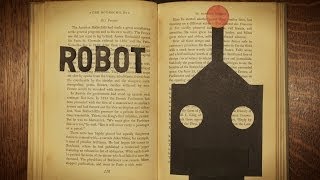
The story featured automated machines with distinctly human features that,
这个故事描绘了具有人性化功能的自动化机器,
until they revolt, catered to the whims of the people of Earth.
迎合人们的各种怪要求,直到这些机器造反了。
Capek originally considered calling these hard-working machines labori from the Latin word for labor,
恰佩克原本打算称这些勤劳的机器为“labori”,labori源于拉丁文的“labor”一词,
but he worried it sounded a bit too scholarly.
但是他担心这样听起来有一点太学术了。
He opted, instead, to emphasize their enslaved state by naming them roboti, or robot in English.
于是他选择强调它们被奴役的状态,称它们为“roboti”,也就是英语中的robot。
'R.U.R.' was wildly successful, and when it was translated into English in 1923, the word robot was enthusiastically embraced.
'R.U.R.'赢得了巨大的成功,1923年,当它被翻译成英文时,“robot”这个词受到了热烈欢迎并被采用。
Though most of today's robots look quite different than Capek imagined,
虽然如今大多数的机器人看起来和恰佩克想象中的非常不同,
they've become just as popular as he predicted.
但是它们和他预言的一样受欢迎。
Unlike in 'R.U.R.', though, our robots haven't risen up against us, and here's hoping it stays that way!
和'R.U.R.'不同的是,我们的机器人还没有反抗人类,并且愿它们能一直如此。


